

portable makeup light
Understanding Bore Gauge 18-35mm A Key Tool in Precision Measurement In the realm of engineering and manufacturing, precision is paramount. One essential tool that aids in achieving accurate measurements is the bore gauge, particularly the bore gauge designed for 18-35mm ranges. This tool is indispensable for anyone involved in machining, automotive work, or any field requiring meticulous measurement of internal diameters. Understanding Bore Gauge 18-35mm A Key Tool in Precision Measurement When measuring with a bore gauge, the user must first ensure that the instrument is calibrated correctly. This is often done using a go-no-go gauge or a standard reference. Once calibrated, the bore gauge is inserted into the hole. The arms of the gauge then expand to make contact with the walls of the bore. The measurement is taken at the point where the arms encounter the wall, allowing the user to determine the internal diameter accurately. bore gauge 18 35mm The 18-35mm range is particularly beneficial for various applications, such as in automotive parts where precise fits are crucial for components like cylinders, pistons, and bearings. In such cases, even a slight deviation can lead to significant performance issues. Thus, the importance of using a reliable bore gauge cannot be overstated. Additionally, modern bore gauges may come equipped with advanced features such as digital readouts and data storage, which enhance their functionality. These innovations not only improve the user experience but also provide additional options for data analysis and record-keeping. In conclusion, the bore gauge 18-35mm is a vital tool for professionals across multiple industries. Its role in ensuring accuracy in internal measurements makes it a key player in the production of high-quality mechanical components. By investing in a quality bore gauge, users can enhance their operational efficiency, maintain product quality, and minimize the risk of costly errors. Whether for routine inspections or more specialized tasks, the bore gauge stands out as an essential instrument in the toolkit of quality assurance and precision engineering.
about
portable makeup light
Understanding Strainer Flange Types A Comprehensive Guide Strainers are essential components in various industries, acting as filters that prevent unwanted particles from entering fluid systems. One critical aspect of strainers that engineers and procurement professionals need to consider is the flange type. Flanged strainers come in various designs and sizes, allowing them to be connected to pipelines seamlessly. This article aims to provide a comprehensive overview of strainer flange types, their features, and their applications. What is a Flange? A flange is a mechanical component that provides a means to connect two parts together, typically pipes or fittings. Flanges create a secure joint that can accommodate high-pressure systems, ensuring leak-free operations. There are several standard flange types defined by different specifications, including ASME, DIN, ANSI, and JIS standards. Each specification dictates dimensions, tolerances, and mechanical properties. Common Strainer Flange Types 1. Flat Face Flange The flat face flange is characterized by a flat sealing surface that lies on the same plane as the bolt holes. This type is commonly used in low-pressure applications and can easily fit with other flat-faced components. However, it is essential to ensure that the mating surfaces are perfectly aligned to prevent leaks. 2. Raised Face Flange This flange type features a raised area in the center that enhances the sealing capability and is more suitable for high-pressure applications. The raised area allows for improved contact with the gasket, promoting a tight seal. Raised face flanges are frequently used in petrochemical industries, water treatment, and HVAC systems. 3. Ring-type Joint Flange Commonly used in high-pressure and high-temperature operations, the ring-type joint flange utilizes a metal ring that is placed in the groove of the flange. When bolted together, the ring compresses and forms a seal. This type is commonly found in drilling, refineries, and other industries dealing with hazardous fluids. 4. Slip-on Flange A slip-on flange is designed to be slipped over the end of a pipe, adding ease to installation. This type is often used when there is a requirement for relatively low-pressure service and where ease of disassembly is necessary. The slip-on design allows minimal effort for installation, making maintenance straightforward. strainer flange type 5. Weld Neck Flange This type of flange has a long neck that is welded to the pipe, providing better stress distribution over the joint. Weld neck flanges are ideal for high-pressure applications and are commonly found in manufacturing, oil and gas, and chemical processing industries. Key Considerations for Choosing Flange Types When selecting the appropriate strainer flange type, several factors must be considered - Pressure and Temperature Ratings Ensure that the flange type and materials can withstand the system's operational conditions. - Fluid Characteristics Consider the type of fluid being handled. Some strainers might require specialized flanges to mitigate corrosion or contamination. - Installation and Maintenance Evaluate the ease of installation and the necessary maintenance procedures. Certain flanges are more challenging to disassemble or require specific tools. - Standard Compliance Ensure the chosen flange types adhere to applicable industry standards to maintain safety and performance. Conclusion In summary, selecting the right strainer flange type is a crucial decision that significantly impacts system performance and longevity. Understanding the different types of flanges—flat face, raised face, ring-type joint, slip-on, and weld neck—and their respective applications is fundamental for engineers and designers. By considering pressure ratings, fluid characteristics, installation ease, and compliance with industry standards, professionals can make informed choices that enhance the efficiency of fluid systems. The right flange choice not only ensures optimal operation but also contributes to the overall safety and reliability of the system.
-

High quality industrial productsagement

High quality industrial products
View Details -

Meet the diverse needs of customers

Meet the diverse needs of customers
View Details -

Strict quality control

Strict quality control
View Details -

Top raw materials

Top raw materials
View Details -

Trusted supplier

Trusted supplier
View Details
Our application


news and information

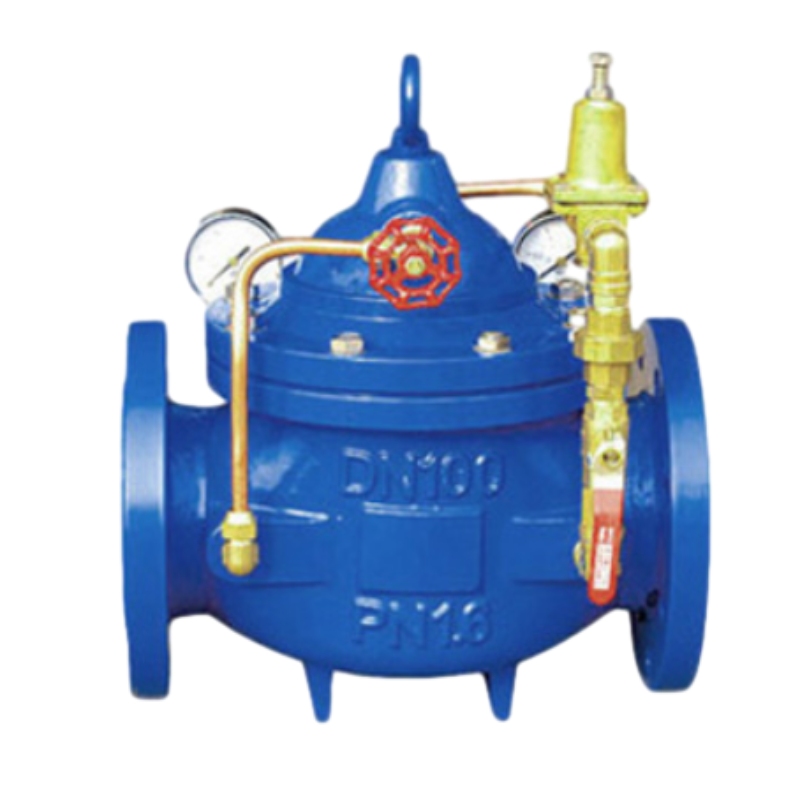
válvula de controlo
Válvulas de Controle Essencial para a Automação Industrial As válvulas de controle desempenham um pa
Välineet tarkkuusmittaamiseen syvyysmittari 18-35 mm halkaisijalle
Dial bore gauge on yksi tärkeimmistä työkaluista tarkkuusmittauksessa teollisuudessa, erityisesti ku
use of parallel ruler
The Use of Parallel Rulers An Essential Tool in Precision Measurement In various fields ranging from
 English